
Meet Vibha Jain

Fifteen years of practice, more than 2,400 sessions conducted, and one consistent starting point: listening properly before suggesting anything at all.

Vibha Jain, hypnotherapist, photographed in a dark blazer and white shirt.
Vibha Jain — Hypnotherapy Pvt Ltd.

The practitioner

An Approach Built Around the Person in Front of Her

Vibha Jain is the hypnotherapist behind Hypnotherapy Pvt Ltd. She has more than fifteen years of experience and has conducted over 2,400 sessions.

Those two figures describe volume, not certainty. What a long practice actually builds is a wider sense of how differently people arrive at the same difficulty — and a healthy reluctance to assume that the first thing described is the whole picture.

Sleep concerns illustrate that well. Two people can use the identical sentence — “I can’t sleep” — and mean entirely different things. One means a mind that will not stop planning. One means waking at three every morning with a jolt of unease. One means eight hours that leave no trace of rest behind them. The word is shared; the experience is not.

That is why sessions here do not begin with a method. They begin with a conversation, and they follow what that conversation actually turns up.

15+Years of Experience
2,400+Sessions Conducted
1:1Individual Sessions

How she works

Four Things That Shape Every Session

Not a technique list. These are the working assumptions that sit underneath whatever a particular session ends up exploring.

Listening comes first, and takes as long as it takes

The initial conversation is not an intake form to be processed. It is the part of the work where the actual shape of the difficulty becomes visible — and it frequently turns out to be different from what the first sentence suggested. Nothing is proposed until there is something real to respond to.
Habits and thoughts are read in context

An evening routine is not good or bad in the abstract. A late finish means one thing for a person who lives alone and something else entirely for a parent of small children. Patterns are examined as they exist in a real life, with real constraints, rather than measured against an idealised version of one.

Nothing described is treated as strange

People frequently arrive slightly embarrassed — about how long this has gone on, about what they do at three in the morning, about how much of their day is now organised around sleep. None of it is unusual, and none of it is met with correction. A non-judgemental room is not a nicety; it is a precondition for saying anything useful.

Expectations stay realistic and individual

What one person notices after a few sessions, another may not. That is said clearly at the beginning rather than discovered later. Hypnotherapy is offered here as something that may be worth exploring — never as a guaranteed result, and never as a reason to delay medical assessment where it is needed.

Vibha Jain seated facing a semicircle of participants, guiding them through a hands-extended relaxation exercise during a group workshop.
Guiding a group relaxation exercise during a workshop session.

Perspective

Experience in Perspective

It would be easy to present fifteen years and 2,400 sessions as a guarantee. It is worth being plain that they are not one.

Experience makes a practitioner better at noticing, better at asking the next question, and considerably better at recognising when something falls outside what hypnotherapy can usefully address. What it cannot do is predict how any individual will respond. Sleep is influenced by too many things — physical health, medication, circumstance, environment — for anyone’s track record to settle the question in advance.

So the numbers on this page describe a body of practice. They are not a success rate, and they are not a forecast for your situation.

In practice

Individual Sessions and Group Settings

Most sleep-related work is one to one. Group and workshop settings appear alongside it, where relaxation techniques are introduced to several people at once.

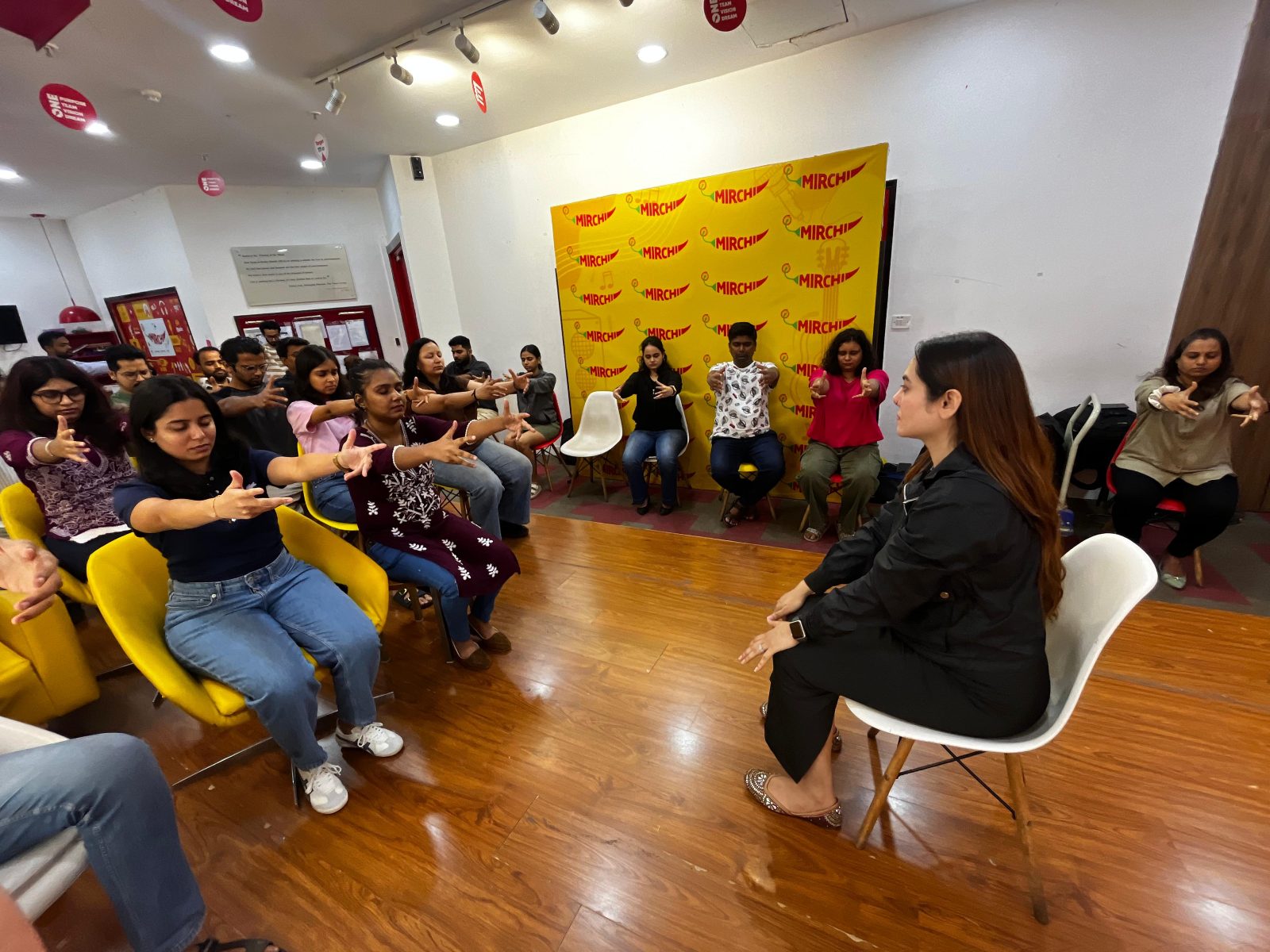
A wide view of a workshop room where a group of seated participants follow Vibha Jain through a guided relaxation exercise.
A workshop group working through a guided relaxation exercise together.
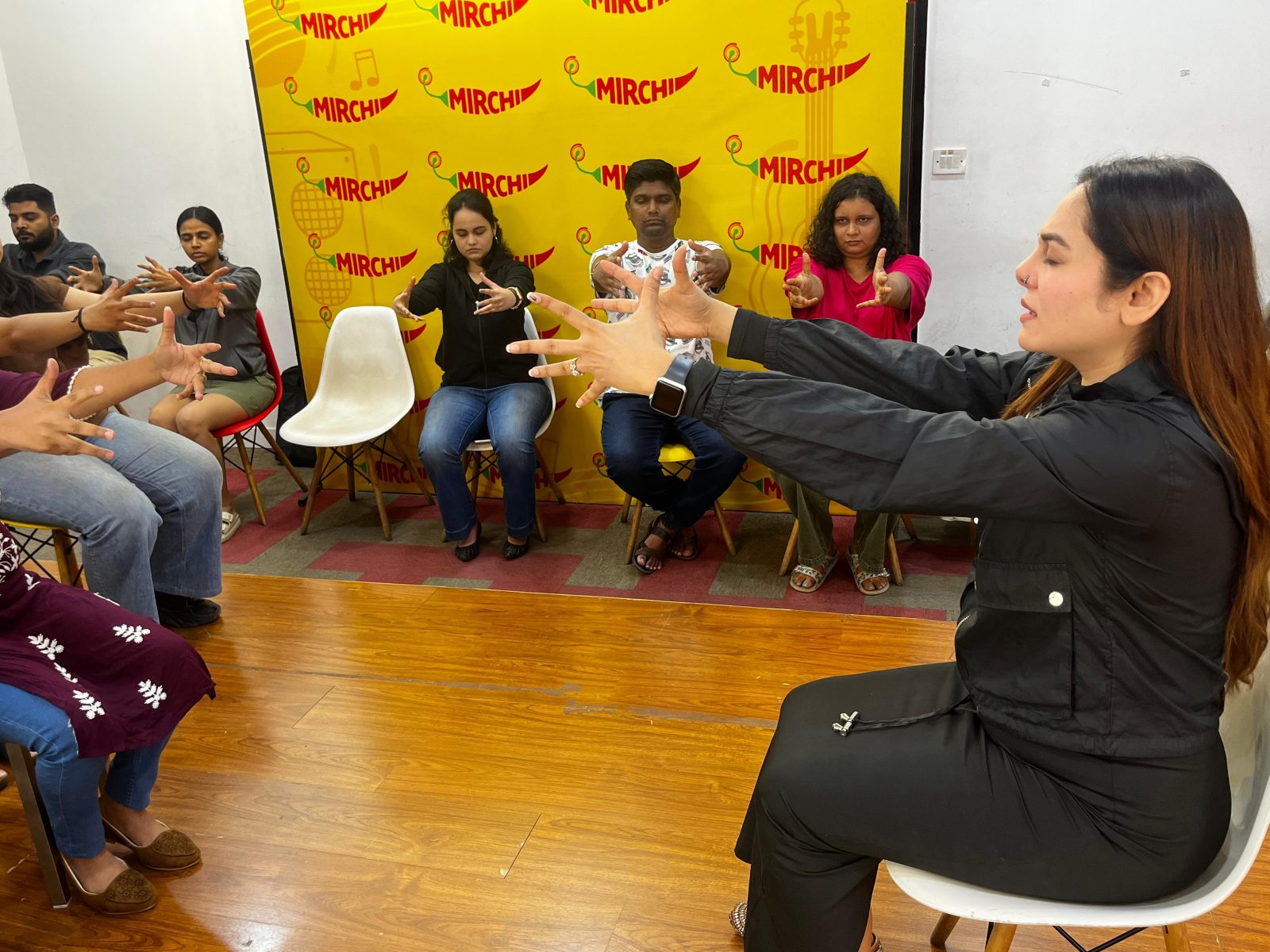
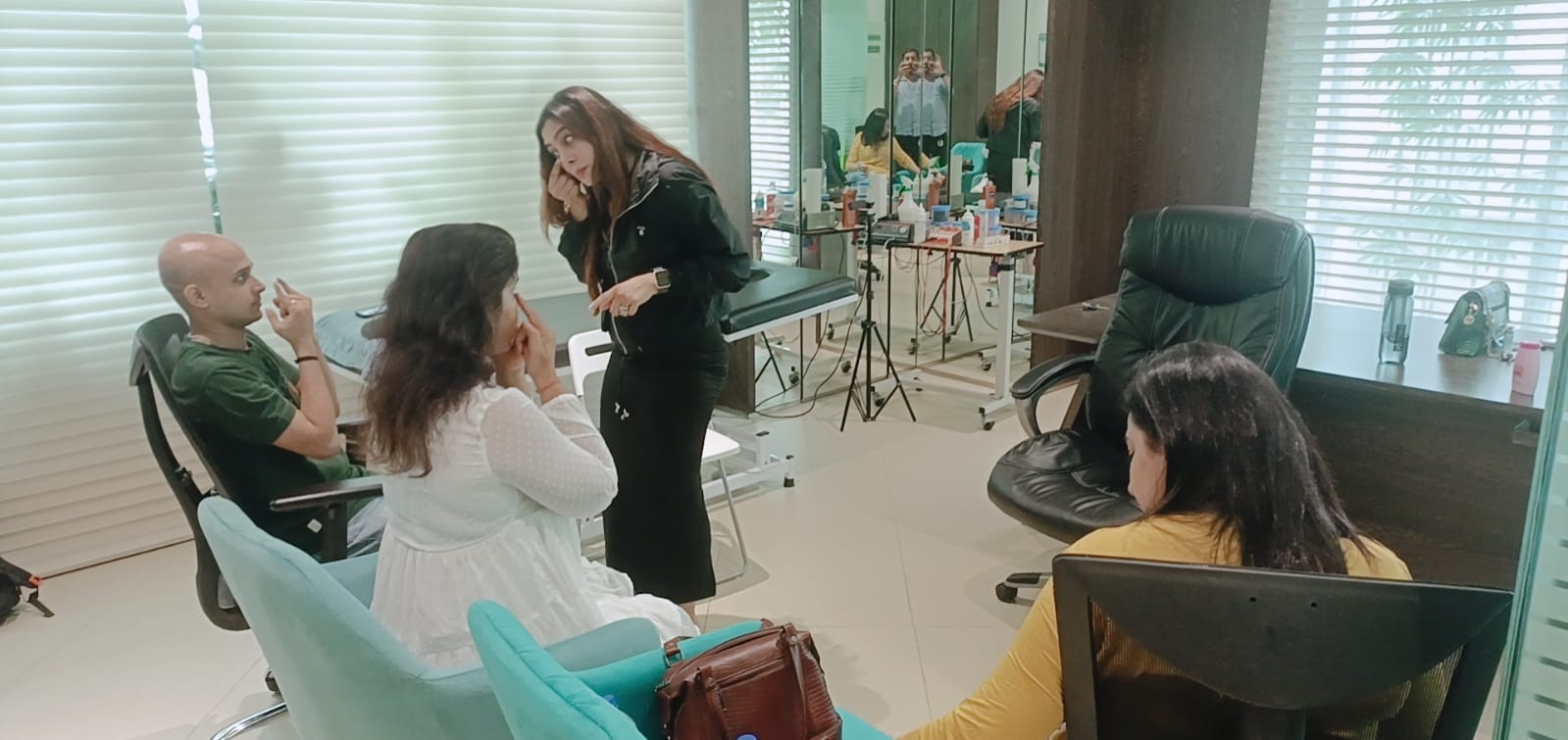
Vibha Jain demonstrating a technique to a small group seated in a consulting room.
Demonstrating a technique in a smaller, more informal setting.

What one-to-one work allows

Individual sessions are where personal detail can actually be used. Your specific evenings, your particular pattern of waking, the thought that reliably arrives at two in the morning — none of that can be addressed generically. Sleep concerns are almost always explored this way.

What group settings are useful for

Groups suit general relaxation practice and introductory work, where the aim is to give people a technique to take away. They are not a substitute for individual attention when someone has a persistent, personal sleep difficulty they want to work on.

Before anything begins

What a First Conversation Is Actually Like

It is a conversation, not an assessment you can fail. Nothing is committed to, and there is no obligation to continue afterwards.

  • You describe what has been happening at night, in your own words, at your own pace.
  • You are asked about the shape of your evenings and what you have already tried.
  • You can ask anything — including whether hypnotherapy is the wrong fit for you.
  • Where medical input would be sensible, that is said directly rather than skirted around.
  • You are told what hypnotherapy cannot do as clearly as what it might.
  • You decide afterwards whether to go further. There is no pressure to.
Vibha Jain resting her chin on her hand in a relaxed, attentive pose.
Sessions start with listening, not with a method.

Being clear

What This Practice Does Not Claim

Sleep is a field where overstatement is common. It is worth setting out plainly what is not being offered here.

Not claimed
  • That hypnotherapy cures insomnia
  • That results are permanent or guaranteed
  • That medication can or should be stopped
  • That a medical opinion can be skipped
  • That everyone responds the same way
What is offered
  • A relaxation-focused approach that may be explored
  • Sessions shaped around your circumstances
  • Support alongside appropriate healthcare, not instead of it
  • Honest discussion of suitability and limits
  • A calm, unhurried and non-judgemental setting

A note on qualifications and claims

This website deliberately lists only what has been verified for publication: the practice name, the practitioner’s name, years of experience, number of sessions conducted, and direct contact details. No certifications, memberships, awards, clinical results or client testimonials are presented, because inventing them would be misleading. If you would like to ask about training or professional background before booking, please raise it directly.

Ask a question before booking

Next step

Talk About Your Sleep

Describe what your nights have been like, ask what you want to ask, and decide afterwards. There is no obligation attached to a first conversation.